Atracciones localesLocal Attractions
Explora la «Ciudad de los tres pisos naturales», donde la arquitectura medieval se encuentra con la tradición amazónica, y descubre la naturaleza impresionante que rodea el corredor Tarapoto–Lamas.
Explore the "City of the Three Natural Floors," where medieval architecture meets Amazonian tradition, and discover the breathtaking nature that surrounds the Tarapoto-Lamas corridor.
Lugares culturales en Lamas
Cultural Landmarks in Lamas
1. Castillo de Lamas
1. Castillo de Lamas
Una anomalía arquitectónica en medio de la selva alta: este castillo de estilo medieval fue construido en 2005 por el empresario italiano Nicola Felice. Edificado con piedra local moldeada a mano sobre una colina, ofrece vistas panorámicas del valle amazónico y la Cordillera Azul.
An architectural anomaly in the middle of the high jungle, this medieval-style castle was built in 2005 by Italian entrepreneur Nicola Felice. Constructed from local hand-molded stone on a hill, it offers panoramic views of the Amazonian valley and the Cordillera Azul.
- Qué ver: El castillo tiene cinco niveles, torres y murallas. Dentro se puede visitar el «Salón de las Aves», con pinturas en el techo de especies aviares locales. También alberga una fábrica de cacao líquido y licores regionales.
- What to see: The castle features five levels, towers, and ramparts. Inside, you can visit the "Salón de las Aves" (Hall of Birds), which features ceiling paintings of local avian species. It also houses a factory producing liquid cacao and regional spirits.
- Horario: Lunes a domingo, 9:00 – 18:30.
- Hours: Monday to Sunday, 9:00 AM – 6:30 PM.
- Entrada: Adultos S/ 10,00; niños S/ 6,00 (precios sujetos a cambio).
- Entrance Fee: Adults S/ 10.00; Children S/ 6.00 (Prices subject to change).
- Más info: Castillo de Lamas – Machupicchu Terra.
- More Info: Castillo de Lamas - Machupicchu Terra
2. Comunidad Nativa Wayku
2. Comunidad Nativa Wayku
Ubicada en el «tercer piso» de la ciudad, es el corazón cultural del pueblo Kechwa-Lamista. Es el único grupo quechua étnico en el Amazonas peruano que ha preservado su lengua y costumbres durante siglos.
Located on the "third floor" of the city, this is the cultural heart of the Kechwa-Lamista people. It is the only ethnic Quechua group in the Peruvian Amazon that has preserved its language and customs for centuries.
- Qué ver: Casas tradicionales de tierra apisonada rojiza (tapial) sin ventanas para mantener el interior fresco. Visita la Plaza de la Cultura con esculturas de personajes históricos y las tiendas de artesanos que venden cerámica y textiles hechos a mano, Patrimonio Cultural de la Nación.
- What to see: Traditional houses built of reddish rammed earth (tapial) without windows to keep the interior cool. Visit the Plaza de la Cultura to see sculptures of historical figures and browse the artisan shops selling handmade ceramics and textiles, which are National Cultural Heritage.
- Entrada: Libre; comprar artesanía apoya directamente a las familias.
- Entrance: Free entry; purchasing crafts directly supports families.
- Más info: Comunidad Nativa Kechwa El Wayku – Y Tú Qué Planes.
- More Info: Comunidad Nativa Kechwa El Wayku - Y Tú Qué Planes
3. Museo Chanka y de la Diversidad Lamista
3. Museo Chanka y de la Diversidad Lamista
Imprescindible para entender la historia de la región: el museo detalla la narrativa de la migración Chanka, el error de los «Motilones» y la diversidad étnica de la zona.
Essential for understanding the history of the region, this museum details the narrative of the Chanka migration, the "Motilones" misnomer, and the ethnic diversity of the area.
- Qué ver: Piezas desde la época prehispánica hasta la actualidad, mitos y leyendas de la selva. Sirve de puente para entender la relación entre la ciudad mestiza y la comunidad indígena.
- What to see: Exhibits artifacts spanning pre-Hispanic to modern times, myths, and legends of the jungle. It serves as a bridge to understand the relationship between the mestizo city and the indigenous community.
- Entrada: Aproximadamente S/ 6,00 a S/ 9,00.
- Entrance Fee: Approximately S/ 6.00 to S/ 9.00.
- Más info: Museo Chanka – ViajerAdicta.
- More Info: Museo Chanka - ViajerAdicta
Plaza, arte y experiencias cercanas
Plaza, Art & Nearby Experiences
4. Plaza de Armas y centro de Lamas
4. Plaza de Armas & Town Center
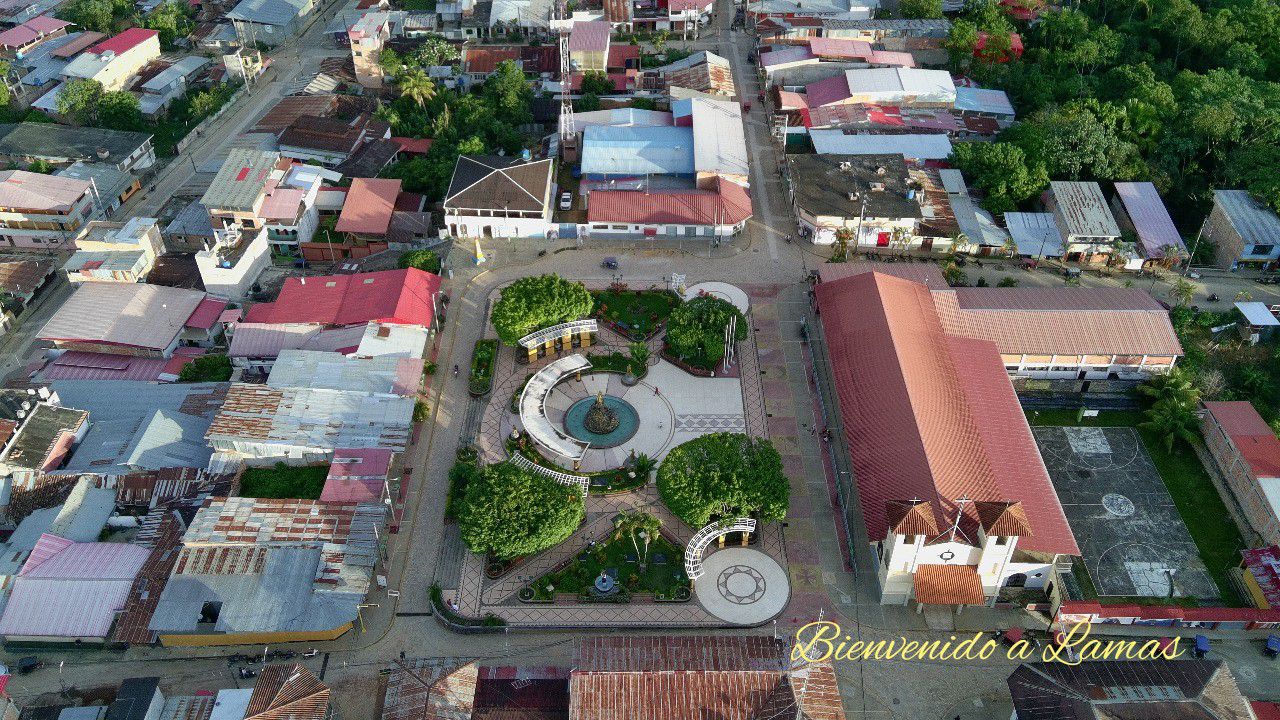
El corazón del «primer piso» de la ciudad: la plaza principal y las calles aledañas concentran la vida cotidiana, la iglesia y los comercios. Ideal para pasear y observar la arquitectura mestiza y el ritmo local.
The heart of the city’s «first floor»: the main square and surrounding streets are where daily life, the church, and shops come together. A good place to stroll and take in the mestizo architecture and local rhythm.
- Qué ver: Iglesia, edificios alrededor de la plaza, cafés y tiendas. Desde aquí se desciende hacia el Barrio Wayku y se accede al castillo.
- What to see: The church, buildings around the square, cafés and shops. From here you can walk down to Barrio Wayku and reach the castle.
- Entrada: Libre.
- Entrance: Free.
5. Petroglifos de Polish
5. Polish Petroglyphs
A unos 8 km de Tarapoto (poco más de 20 km de Lamas), este sitio arqueológico alberga grabados en piedra con figuras de animales, plantas y personajes, atribuidos a la cultura Chachapoya.
About 8 km from Tarapoto (a bit over 20 km from Lamas), this archaeological site features stone engravings of animals, plants, and figures, attributed to the Chachapoya culture.
- Qué ver: Petroglifos al aire libre en un entorno natural. Combinable con una visita a Tarapoto o de camino a otras atracciones de la región.
- What to see: Open-air petroglyphs in a natural setting. Can be combined with a visit to Tarapoto or on the way to other regional attractions.
- Más info: Suele incluirse en tours desde Tarapoto.
- More Info: Often included in tours from Tarapoto.
6. Comunidad de Chazuta
6. Chazuta Community
A aproximadamente una hora de Tarapoto (en la ruta del Huallaga), Chazuta es conocida por su cerámica elegante, talleres de artesanos y un museo con urnas funerarias preíncas.
About an hour from Tarapoto (on the Huallaga route), Chazuta is known for its fine pottery, artisan workshops, and a museum displaying pre-Inca funerary urns.
- Qué ver: Talleres de cerámica, museo local y arte tradicional amazónico. Experiencia cultural complementaria a la visita a Wayku.
- What to see: Pottery workshops, local museum, and traditional Amazonian art. A cultural experience that pairs well with a visit to Wayku.
- Más info: Chazuta – Y Tú Qué Planes / tours desde Tarapoto.
- More Info: Chazuta - Y Tú Qué Planes / tours from Tarapoto.
Fauna y atracciones regionales
Wildlife & Regional Attractions
7. Parque Selva Viva (Rumisapa)
7. Selva Viva Park (Rumisapa)
En la carretera entre Cacatachi y Rumisapa (cerca de Lamas), es el primer parque temático de la región dedicado a la biodiversidad.
Located on the road between Cacatachi and Rumisapa (near Lamas), this is the region's first thematic park dedicated to biodiversity.
- Qué ver: Jardín de orquídeas, mariposario y una gran poza para pesca de tilapias. El parque también tiene un centro de rescate de animales proporcionados por la policía ecológica y recorridos educativos para niños.
- What to see: An orchid garden, a butterfly farm, and a large pool for tilapia fishing. The park also features a rescue center for animals provided by the ecological police and educational tours for children.
- Más info: Parque Selva Viva – YouTube.
- More Info: Selva Viva Park - YouTube
8. Centro Urku (Tarapoto)
8. Centro Urku (Tarapoto)
Aunque está cerca de Tarapoto, es una parada habitual para quienes visitan la región. Centro dedicado a la rehabilitación de animales rescatados del tráfico ilegal.
While located near Tarapoto, it is a standard stop for visitors to the region. It is a center dedicated to the rehabilitation of animals rescued from illegal trafficking.
- Qué ver: Primates y aves rescatados, acuario y mariposario. El centro se enfoca en educación ambiental y en reintegrar especies a la vida silvestre.
- What to see: Rescued primates and birds, an aquarium, and a butterfly house. The center focuses on environmental education and reintegrating species into the wild.
- Más info: Centro Urku – Web oficial.
- More Info: Centro Urku - Web Oficial
9. Laguna Azul (Sauce)
9. Laguna Azul (Sauce)
A unos 54 km de Tarapoto, es el destino más visitado de San Martín, a menudo llamada la «playa de la selva».
Located about 54 km from Tarapoto, this is the most visited destination in San Martín, often referred to as the "beach of the jungle".
- Qué ver: Una laguna enorme de aguas azul intenso (aprox. 20 °C). Actividades: paseos en bote, kayak, motos acuáticas y canopy. Rodeada de resorts y albergues.
- What to see: A massive lake with intense blue waters (approx. 20°C). Activities include boat rides, kayaking, jet skiing, and canopy lining. It is surrounded by resorts and lodges.
- Más info: Tour Laguna Azul – Machupicchu Terra.
- More Info: Tour Laguna Azul - Machupicchu Terra
10. Reserva Ecológica Santa Elena (Rioja)
10. Reserva Ecológica Santa Elena (Rioja)
Más alejada, en el valle del Alto Mayo (provincia de Rioja), esta reserva es imprescindible para los amantes de la fauna.
Located further out in the Alto Mayo valley (Rioja province), this reserve is a must for wildlife enthusiasts.
- Qué ver: Ecosistema de humedal navegable en canoa. Hogar de fauna única como monos (por ejemplo el Mono Tocón endémico) y perezosos. De diciembre a abril el nivel del río sube y el bosque se convierte en un espejo navegable.
- What to see: A wetland ecosystem navigable by canoe. It is home to unique fauna including monkeys (like the endemic Mono Tocón) and sloths. From December to April, the river levels rise, turning the forest into a navigable mirror.
- Más info: Santa Elena – Y Tú Qué Planes.
- More Info: Santa Elena - Y Tú Qué Planes